
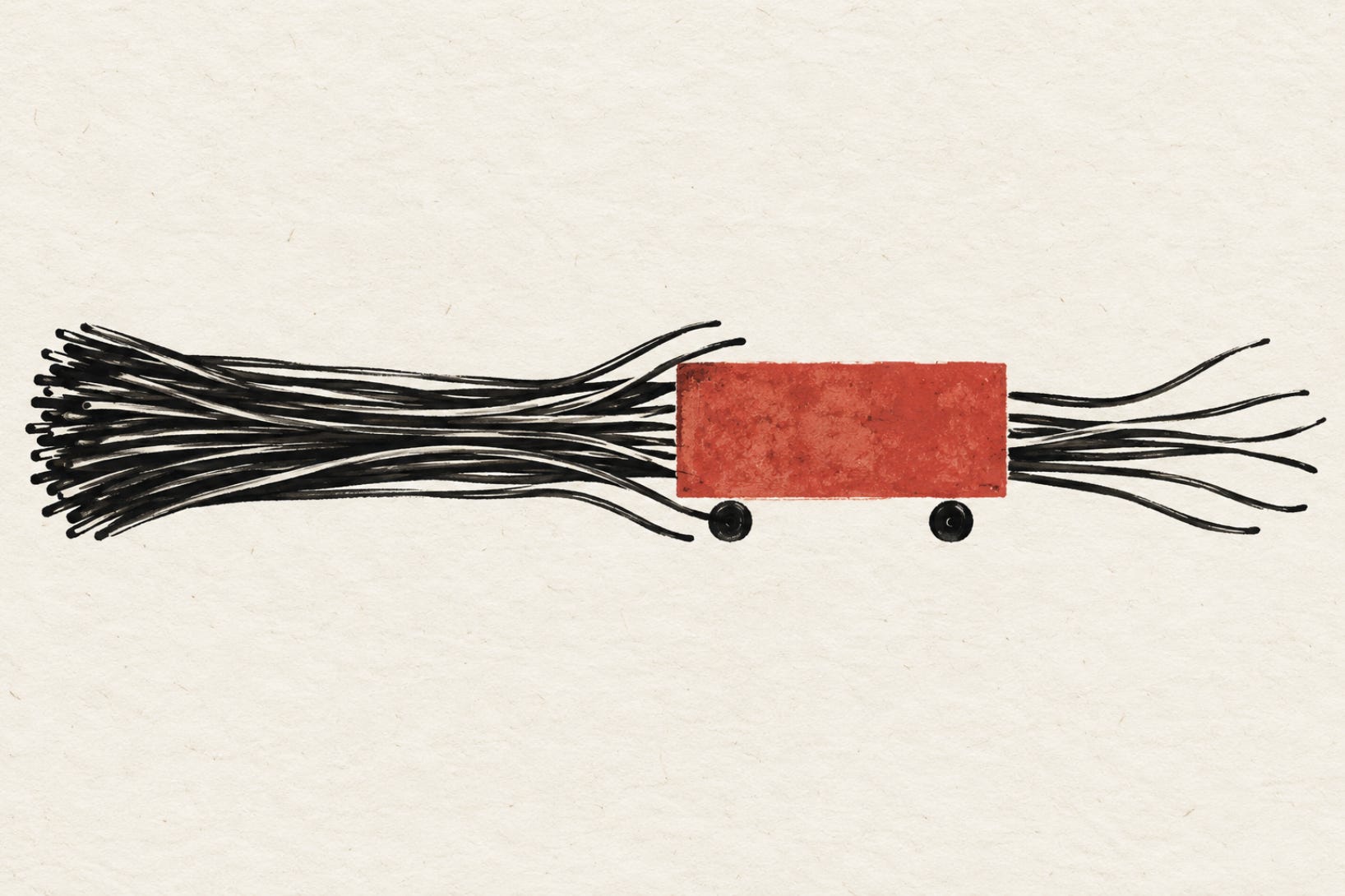
Pasta is one of the rare products that can serve simultaneously as dinner, export business and national identity. It is hard to imagine something more reliably Italian than a factory turning wheat into spaghetti. Yet even this reassuring picture depends on something less romantic: trucks arriving on time.
On 20 October, Reuters reported that protests by hauliers in southern Italy over fuel prices and the cost of living were interrupting essential deliveries. The disruptions reached pasta manufacturers, fresh-produce distribution and supermarket shelves.
The consequences were already concrete. Rummo, a well-known producer in Campania, said it had suspended operations after running out of ingredients. La Molisana reported reduced production and reliance on its stocks. Agricultural organisations warned of perishable goods at risk, while supply bottlenecks were affecting wholesale markets and households in parts of southern Italy.
It would be misleading to say that the entire country has run out of pasta. It has not. But the interruption exposes how quickly an apparently robust national industry can be affected by a single weak link. According to figures cited by Reuters, Italy’s pasta supply chain generated €13.5 billion in revenue last year. Behind that impressive figure is a network of farms, mills, transport operators, factories, distributors and retailers. Remove transport from the equation, and the system begins to stall.
For the drivers, the cost of diesel is not a detail. For the factories, the absence of ingredients is not something that can be solved by national pride. And for consumers, the price of an ordinary basket of groceries is often the most immediate measure of whether the economy is working.
Rome has promised additional help for hauliers, with officials pointing to a package worth more than €150 million. But emergency support and a durable solution are not the same thing. A country deeply dependent on road distribution has to reckon with fuel-price volatility, logistics costs and the consequences of prolonged disruption.
There is also a lesson for anyone who thinks of Made in Italy only as craftsmanship or branding. The international reputation of Italian food begins with quality, but it survives through infrastructure and delivery. The most sophisticated marketing campaign in the world is not much use if the ingredients cannot reach the production line.
Italy’s pasta story is therefore not just about pasta. It is a story about the hidden machinery behind an everyday symbol—and what happens when that machinery stops moving.
THE ITALIC TAKE
We Italians like to think that pasta is made with flour, water and centuries of tradition. Apparently, it also requires diesel.
Made in Italy is a marvellous commercial story. But a national brand cannot be delivered by storytelling alone. It needs drivers, roads, warehouses and a supply chain that actually works.
Perhaps the most Italian thing about this crisis is how quickly a problem with trucks became a problem with lunch.
ITALIC — Set in bold. From Italy without geography.