
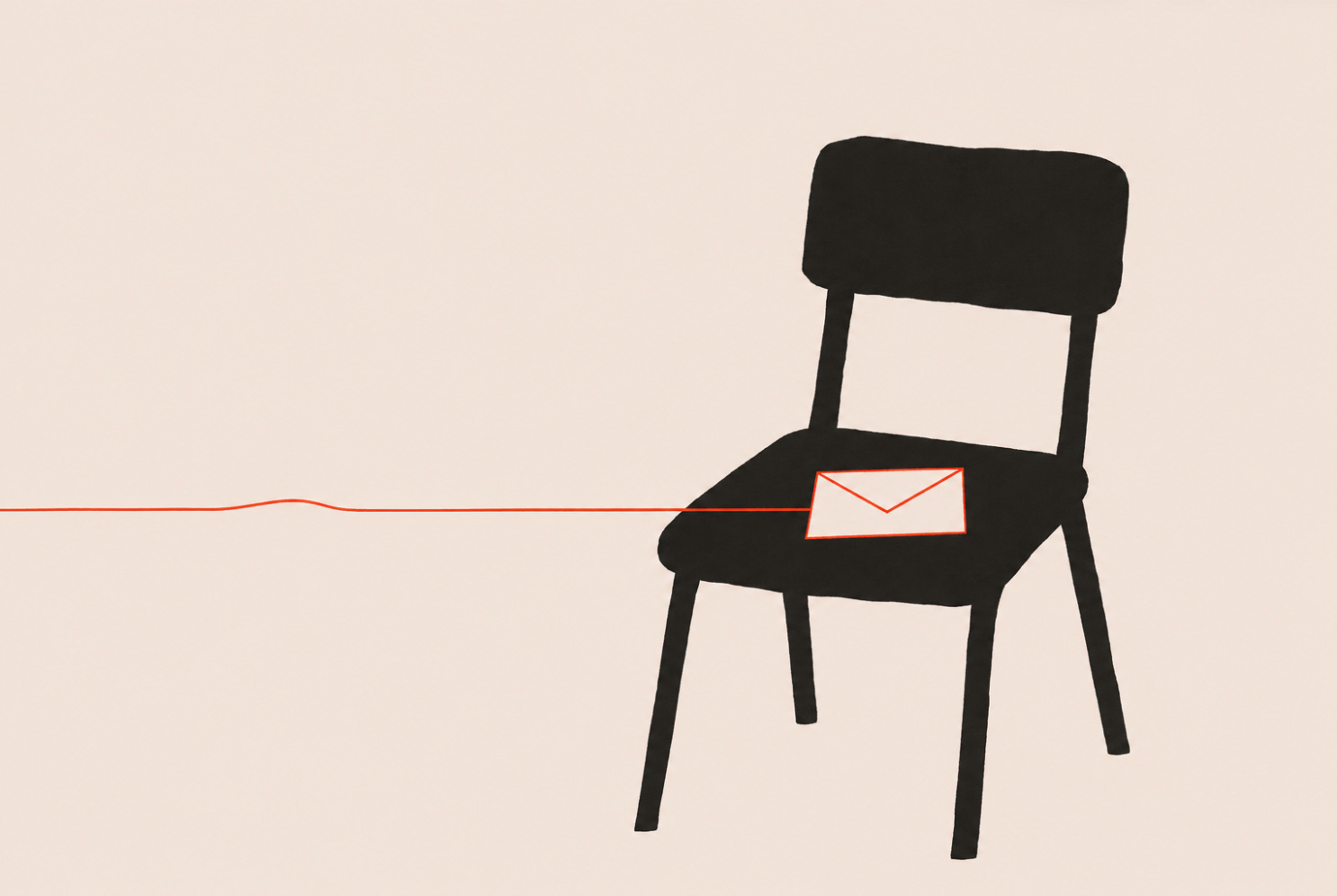
A school can be disrupted without anything physically entering the building. Angelo Amante’s Reuters report of 12 November describes hoax bomb warnings and says most affected Italian schools remained open. It raises a question that travels well beyond Italy: how should an institution make a defensible decision when an inexpensive message can impose very expensive disruption?
The answer cannot be a general instruction to ignore warnings. Nor can every institution be expected to improvise a fresh national security assessment at its reception desk. A sound public discussion should distinguish the receipt of a message from the assessment of a threat, and that assessment from the decision about what a particular building should do. Each stage needs a responsible person and a route for escalating new information.
The number of schools remaining open is relevant. On its own, however, it cannot establish the quality of the process behind those decisions. A successful response might involve rapid specialist advice, reliable communication and staff who understand their responsibilities. The same visible outcome could also conceal uncertainty, inconsistent instructions or people making difficult judgments without adequate support. Establishing which account is accurate requires follow-up reporting.
One practical test would ask whether a headteacher knows whom to contact, what information to pass on and how an assessment will be communicated back. Another concerns families: can they recognise a verified update and understand which instructions apply to their child?
Publishing operational details that could aid an attacker is unnecessary. Explaining who is authorised to communicate, and where a family should find an update, serves a different purpose. It can reduce the space in which screenshots, forwarded messages and speculation compete with official advice.
The political argument will naturally include spending, preparedness and attribution. Each needs its own evidence. A disrupted school day does not by itself identify a perpetrator or prove that a particular budget decision caused the disruption. Equally, describing a warning as a hoax should not end the inquiry into the cost imposed on teachers, families and public services.
There is a risk in treating visible composure as proof of competence. Staff may remain calm while struggling to obtain a clear answer. Parents may comply with instructions they do not understand because they have no practical alternative. Trust becomes more durable when institutions can explain the basis of a decision and acknowledge what remains uncertain.
A system can avoid a physical incident and still reveal weaknesses worth repairing. Reviewing those weaknesses afterwards should be part of resilience, rather than an admission that the entire response failed.
THE ITALIC VIEW
Calm is a result institutions should earn through a process people can understand. Asking a parent or a headteacher simply to be less anxious transfers the burden without necessarily improving the decision. The worthwhile follow-up is whether schools have an authoritative route to advice, whether that route works under pressure and whether decisions can be reviewed afterwards. Counting open doors is easier. Explaining why those doors could safely remain open is the more serious public task.